Designing with Purpose
Sustainable Garden Design
Balancing Sustainability, Aesthetics and Practicality in Garden Design
With insights from award winning garden designer David Keegan.
Designing a garden that is beautiful, functional and environmentally responsible is no small challenge. Every project involves decisions that pull in different directions, such as style versus sustainability or ease of use versus biodiversity. Homeowners often arrive with a long wish list, a defined budget and a space that may already have its own limitations. Pulling all of this together into one coherent scheme requires careful thought, a clear philosophy and materials that genuinely support that vision rather than working against it.
As David Keegan of DK Garden Design explains, those apparent compromises do not have to feel like a step down in quality. When you choose the right products and approach each space with a strong design mindset, it is possible to create gardens that look refined, function well in daily life and still respect the environment.
In this co authored feature, we explore how David thinks about the relationship between sustainability, aesthetic integrity and practicality, and how Millboard decking fits naturally into that way of working.
The Balancing Act in Modern Garden Design
“Whilst there may always be some degree of compromise when designing gardens for clients, there is equally always a solution that does not feel like a compromise,” says David.
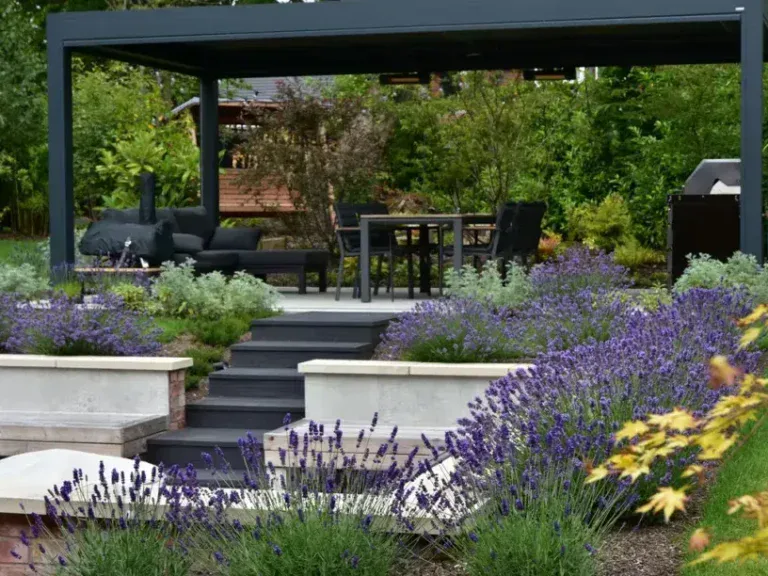
For David, planting is the true heart of any successful garden. The structure of the space matters, but it is the planting palette that brings character, movement and seasonal change. Plants provide the visual softness, the shifts in colour and texture, and the ecological value that makes a garden feel alive rather than static.
Hard landscaping elements such as decking, paving and retaining walls are there to frame and support that living framework. Their role is to complement the natural balance, guide people through the space and create practical surfaces for everyday use. When they are chosen well, they allow the planting to shine while still feeling considered and beautiful in their own right.
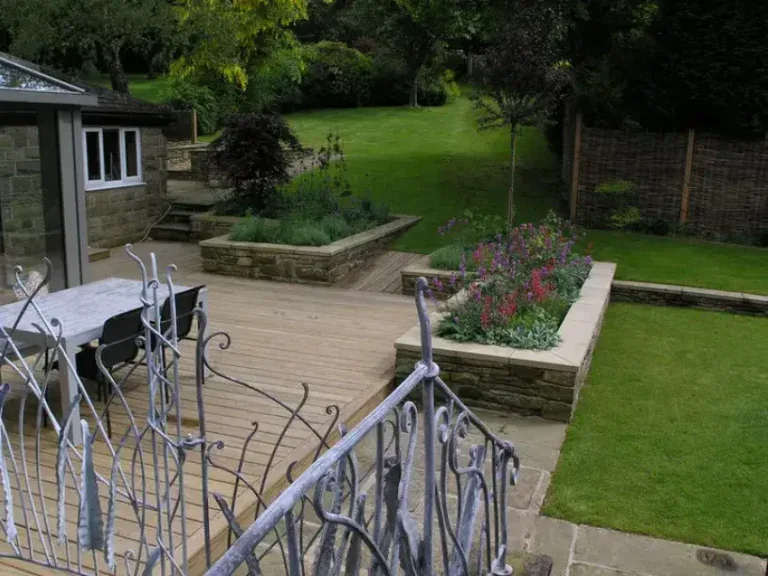
By integrating Millboard composite decking and cladding products into his schemes, David is able to bridge the gap between manmade structure and organic flow. The textures and tones work comfortably alongside planting, while the performance of the material allows him to specify generous decked areas in locations where traditional timber might struggle. The result is a stronger sense of cohesion, with each part of the garden feeling as if it belongs to the same story.
What Does Sustainability Really Look Like?
Sustainability in garden design goes far beyond a few simple choices. It is not only about using fewer chemicals or selecting a handful of native species. It is also about long term thinking, responsible sourcing and understanding how materials behave over the life of a garden.
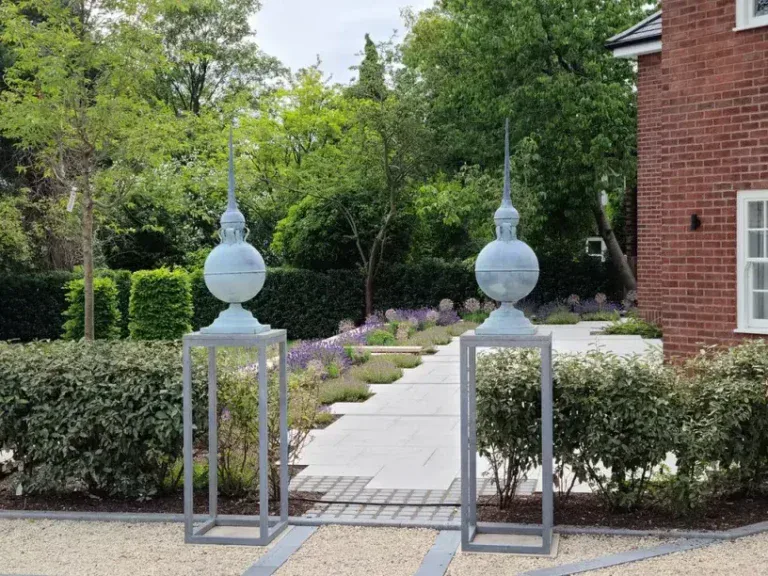
David highlights an ongoing issue in domestic landscapes: the widespread paving over of front gardens, often with impermeable surfaces and very little planting. This trend may feel convenient in the short term, but it increases surface water run off, reduces habitat for wildlife and makes neighbourhoods feel harsher and less welcoming.
“There is some legislation in place, such as SuDS (Sustainable Drainage Systems), but with little enforcement it is pretty much toothless in the domestic market,” he explains. Designers who care about sustainability therefore need to set higher standards for themselves and for the spaces they create.
“At DK Garden Design, we apply British Standards to our design specifications, particularly where planning compliance is required. For example, when designing a roof garden, I specified Millboard decking because it satisfied building control requirements for slip resistance.”
This kind of decision making shows how sustainability is tied to performance as well as to appearance. A surface that meets slip resistance standards, that copes with exposure and that does not require aggressive chemical treatments to keep it looking good will usually be a more responsible choice over time.
Aesthetic Appeal Without Sacrificing Longevity
Sustainable does not have to mean rustic, improvised or visually compromised. David’s work demonstrates that you can specify premium, long lasting materials that also have a strong design presence.
“For me, a sustainable material is one that will stand the test of time and still look as good in five years as it did on day one,” he says. That expectation rules out products that stain easily, weather poorly or need constant repair.
Millboard decking appears frequently in his specifications for exactly this reason. Its weather resistant properties, colourfast finish and lifelike grain mean that it holds its appearance even under regular use. For clients, that translates into a space that continues to feel special rather than tired. For designers, it means confidence that the garden will still reflect their original vision in years to come.
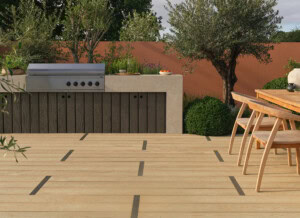
Millboard is also a design led product, with a range of tones and profiles that allow it to sit comfortably alongside different architectural styles, from contemporary extensions to traditional homes. It can provide a sleek terrace outside large glazing, a warm pathway through planting or a raised deck that makes a sloping site easier to enjoy.
“While Millboard products may require a higher initial investment, they offer unmatched quality, aesthetics and longevity, delivering exceptional long term value. Additionally, choosing Millboard products supports sustainability by backing British design and manufacturing.”
When viewed across the lifespan of a garden, this combination of durability, reduced maintenance and local production can make a significant difference to both cost and environmental impact.
What Clients Really Want: Practicality First
Most clients do not arrive with a detailed design manifesto. Instead, as David notes, their starting point is often very down to earth.
“Almost always the first comment made by new clients is, ‘I want low maintenance.’”
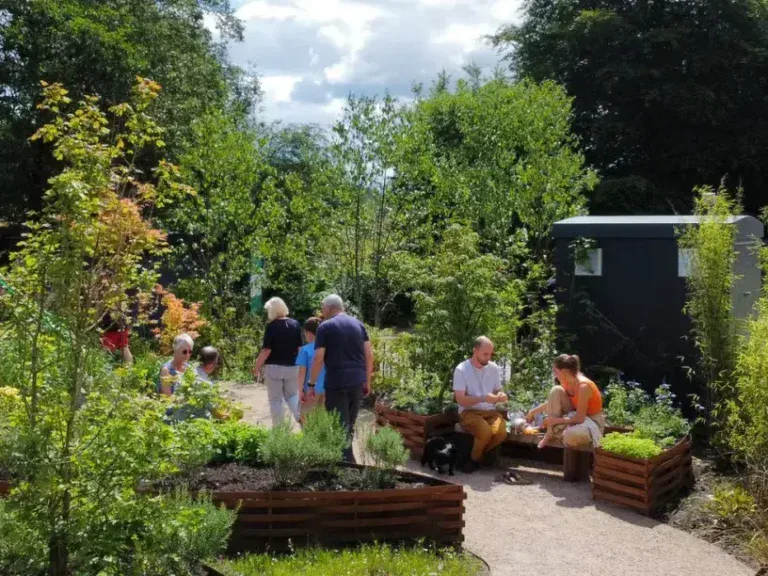
People want spaces they can use without feeling overwhelmed by constant tasks. They are looking for places to entertain, relax, play with children or simply enjoy a morning coffee, not areas that demand heavy cleaning or complex upkeep.
David’s role is to respond to that very human need while still protecting the ecological and visual quality of the garden. Low maintenance does not have to mean lifeless or artificial. It can equally mean carefully chosen planting that looks after itself once established, combined with surfaces that resist staining and do not require harsh treatments.
“Using Millboard decking and porcelain paving allows me to reduce the need for maintenance chemicals, which are harmful to the environment. That is another environmental plus not often considered. Sustainability is not always obvious at first glance.”
In other words, practicality and sustainability can share the same solution. By choosing products that stay looking good with simple cleaning, clients get the easy lifestyle they want and the garden avoids unnecessary chemical load.
Order Your Free Samples
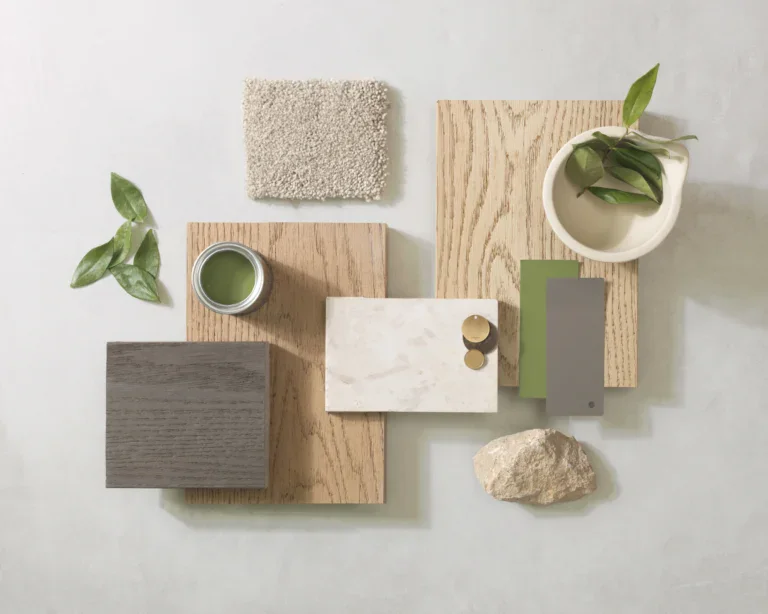
Experiencing materials first hand often makes decisions much easier. Being able to see the colour in your own light, feel the texture underfoot and compare different finishes side by side helps you understand how they will work in your garden.
Millboard offers complimentary samples so that homeowners, designers and installers can explore the options before committing. Ordering samples is a simple way to test ideas against existing brickwork, cladding or planting and to feel how the boards might sit within the wider scheme.
Why Millboard Products Make Sense for Sustainable Garden Design
David Keegan’s philosophy is grounded in sensible, enduring and ecologically aware decisions, and this aligns closely with Millboard’s own values. A successful outdoor space should feel inviting and beautiful, but it should also make responsible use of resources and stand up to daily life without constant intervention.
Whether it is reducing chemical usage, satisfying compliance for planning, or simply designing spaces that clients will love spending time in, Millboard products help support the full picture of responsible design. Decking can provide level access from inside to outside, create sociable seating areas or give structure to planting beds, all while maintaining a refined, natural appearance.
As David puts it, “Sustainability is not just about what you plant, but about what you build, how you maintain it and how long it lasts.” Millboard fits neatly into this wider definition by combining longevity, performance and visual quality in a single solution.

Want to Learn More?
If you are planning a new garden or rethinking how your outdoor space could do more for the planet as well as for your lifestyle, exploring materials is a good place to start. Visit our Samples page to order up to three free samples, or take a look at how landscape professionals like David Keegan are designing with Millboard products in mind.
You will find real world examples of Millboard in contemporary courtyards, family gardens, roof terraces and larger landscapes, each showing a different way to balance practicality, sustainability and style.