
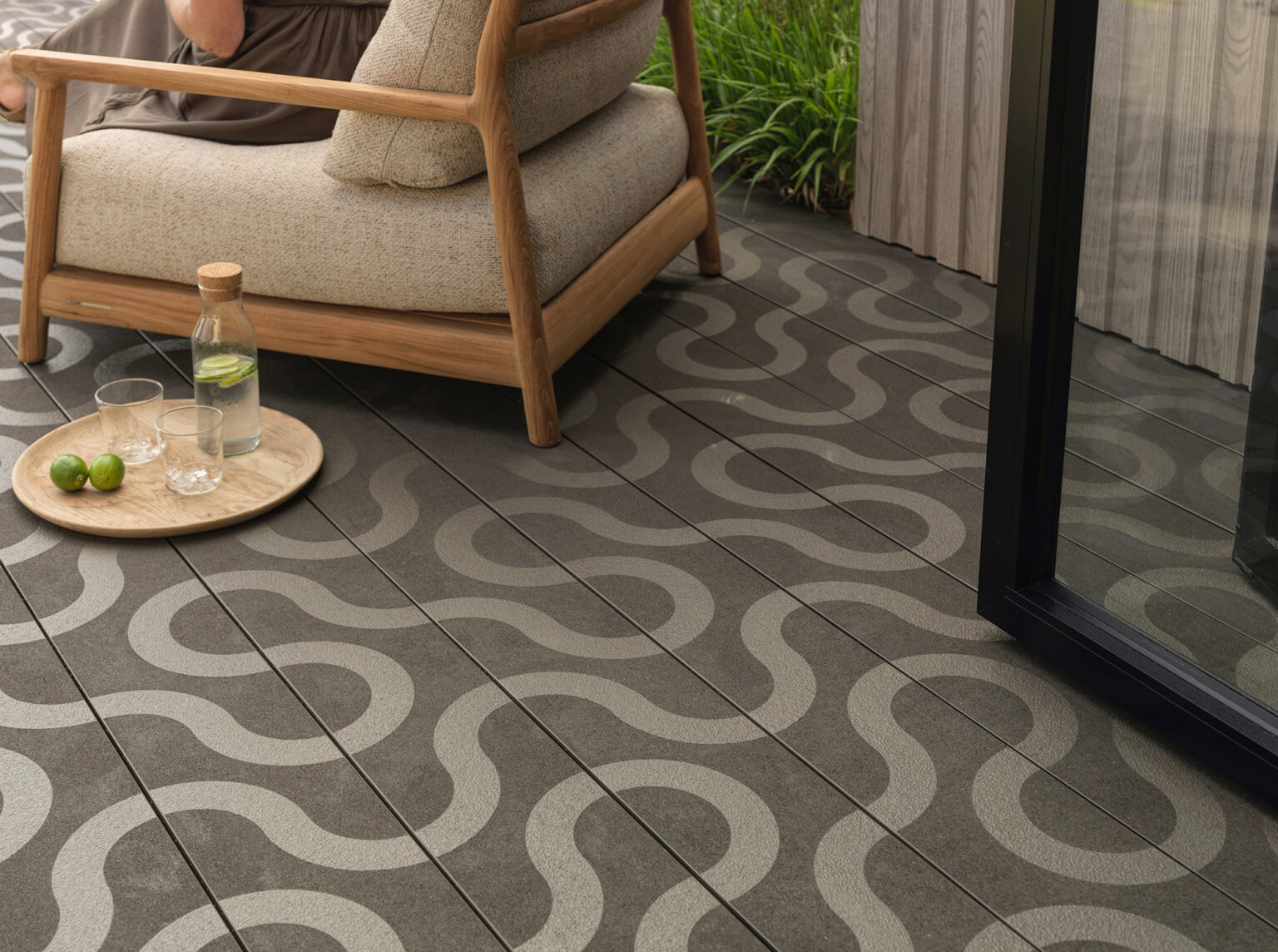
Choosing the Best Composite Decking for Your Next Project
Composite decking has revolutionized outdoor living spaces by offering a durable, low-maintenance alternative to traditional timber decking. It’s important to choose the best composite decking materials for your next project – particularly if there are certain structural requirements or stylistic preferences to consider.
In this guide, we’ll explore the best composite decking, factors to consider, and key features to look out for.
Click on one of the sections below to learn more:
- What Are the Different Types of Composite Decking?
Browse the types of composite decking, and compare their features and benefits.
- How Do You Choose the Best Composite Decking for Your Needs?
Find the best composite decking for different circumstances and house styles.
- Key Features to Look Out for in Composite Decking
Browse considerations to make before buying composite decking.
- Why Millboard Decking Stands Out From Other Composite Options
Discover the key features of Millboard Composite decking.
- Frequently Asked Questions
Read the most common queries on composite decking.
Click on one of the sections below to learn more:
- What Are the Different Types of Composite Decking?
Browse the types of composite decking, and compare their features and benefits.
- How Do You Choose the Best Composite Decking for Your Needs?
Find the best composite decking for different circumstances and house styles.
- Key Features to Look Out for in Composite Decking
Browse considerations to make before buying composite decking.
- Why Millboard Decking Stands Out From Other Composite Options
Discover the key features of Millboard Composite decking.
- Frequently Asked Questions
Read the most common queries on composite decking.
Composite decking is a long-lasting and durable option perfect for outdoor spaces; highly resistant to moisture, dirt, rot, warping, and insect damage. With numerous benefits, selecting the right type of benefits is crucial for maximizing the value of your deck.
Available in a range of formulations, different types of composite decking offer unique benefits and varying blends of materials. The composition of the composite decking material determines its durability, appearance, and long-term performance.
Compare the composite decking types below to find the best for your specific needs:
Capped Composite Decking
Capped composite decking is engineered with a protective polymer shell that enhances its resistance to moisture, stains, and fading. This protective cap ensures the decking maintains its aesthetic appeal and durability over the years.
While capped decking offers excellent protection against the elements, it can still contain wood fibers, making it susceptible to some moisture absorption over time.
Wood Plastic Composite Decking (WPC)
Wood plastic composite (WPC) decking is often made from a blend of recycled wood fibers and plastic. This combination creates a strong, versatile decking material that mimics the appearance of natural wood.
However, because it contains organic materials, WPC decking may be prone to certain moisture retention and potential mold growth if not properly maintained.
Solid and Hollow Composite Decking
Solid composite decking is a robust and dense material, making it ideal for high-traffic areas. Its solid core structure offers superior strength and stability, making the decking highly resistant to warping and cracking. However, its weight can make installation more challenging compared to other types.
On the other hand, hollow composite decking features a light core and is often a more cost-effective option. Due to its lightweight design, it may be less sturdy than solid composite alternatives and may not be suitable for areas with heavy furniture or high foot traffic. Despite this, it offers a practical solution for projects with budget constraints but won’t last as long.
Wood-Free Composite Decking
Wood-free composite decking, such as Millboard, is an innovative alternative that completely eliminates organic materials from its composition. This type of decking offers unparalleled durability and requires less maintenance, making it an excellent choice for long-term performance and visual appeal.
Millboard decking does not contain wood fibers, eliminating the risk of rotting, warping, or splitting often associated with wood-based materials. Instead, Millboard decking features a Lastane® layer that mimics the natural appearance of wood while providing superior resistance to scratches, slips, and mold growth.
Browse our composite decking collections below:


 |  | Try your favourite Millboard decking boards and request up to three free samples below. |
| Modello Linear | Modello Contour | Request Free Samples |
For more information, read our guide on what Millboard Composite decking is made from here.
How Do You Choose the Best Composite Decking for Your Needs?
When selecting composite decking for a home, it is important to consider the space’s specific requirements. Different environments and usage levels will determine the most suitable material:
Heavy Foot Traffic Areas
Durability is key for walkways, entertaining spaces, and other commercial spaces. Solid composite decking, such as Millboard decking, is the best choices as they offer superior resistance to wear. Their dense, stable structure ensures longevity, even in spaces that experience frequent movement and heavy loads.
- Best choice: Solid composite and capped decking products
Wet or Humid Environments
In areas exposed to frequent moisture, such as poolside decking or coastal regions, selecting a water-resistant material is crucial. Millboard decking’s wood-free composition ensures that it does not absorb moisture, preventing issues such as swelling, internal mold growth, and rot. This makes it an ideal choice for damp or humid conditions.
- Best choice: Water-resistant products like Millboard decking
Unusually Shaped Spaces
Decking installations in irregular or complex spaces require materials that can be easily cut and shaped. Due to its solid construction, Capped composite decking is often more adaptable for such designs. However, Millboard decking’s flexibility also makes it an equally strong choice while maintaining greater durability.
- Best choice: Capped composite or Millboard decking
Homes Surrounded by Wildlife
Pest resistance is an important consideration for properties near wooded areas or gardens. Traditional composite decking with wood fibers can attract insects or become susceptible to decay over time. Millboard decking, being entirely wood-free, eliminates these risks, providing a long-lasting and pest-resistant solution.
- Best choice: Wood-free products such as Millboard decking
For more information on regenerative gardening that incorporates wildlife, read our guide on garden trends and composite decking here.
Exposure to Extreme Weather
Selecting a decking material that minimizes expansion and contraction in locations with fluctuating temperatures is essential. Highly fade resistant capped composite decking or Millboard decking provides minimal movement, reducing the likelihood of warping or cracking while maintaining its color despite prolonged sun exposure.
- Best choice: Millboard or UV-resistant capped composite decking
For the best result, make sure the composite decking you choose will work in your outdoor space and is measured for a perfect fit. Start your next project with our decking configuration tool here.
Key Features to Look Out for in Composite Decking
When selecting the best composite decking, consider key factors such as durability, appearance, and overall value. Consider key features like slip resistance, low maintenance, and high resistance to stains and mildew growth:
Durability and Maintenance Needs
Durability is a critical factor when choosing composite decking, as outdoor environments expose materials to varying weather conditions. Capped and solid provide excellent resistance to wear and tear, while wood-free options, like Millboard decking, offer the highest level of durability.
Additionally, considering maintenance needs is crucial; some composite decking options require regular cleaning and sealing, whereas Millboard decking’s non-porous surface significantly reduces the need for constant maintenance efforts.
Aesthetics and Design Options
The visual appeal of decking plays a key role in enhancing an outdoor space. Many composite decking brands offer a variety of colors and wood grain textures.
While WPC and capped types mimic traditional timber, Millboard decking takes aesthetics a step further by using hand-molded oak deck boards to replicate the textures, grains and tones of real wood with exceptional detail. This makes it a preferred choice for those seeking a highly realistic, premium finish.


Initial Costs vs Long-Term Value
When finding the best composite decking for your project, it is essential to balance the initial costs with the long-term value. High-quality composite decking may cost more upfront, but it can provide great benefits over time. These benefits include durability, low maintenance, a long lifespan, and add lasting value to your property.
Warranty
A good warranty demonstrates that the manufacturer believes in the quality and lasting value of their product. Look for warranties that are provided at a local level by manufacturers that have a proven track record for excellent customer service.
Check how long the warranty lasts and what maintenance requirements you must follow to keep it valid. A strong warranty gives you peace of mind, choose composite decking brands that offer solid and wide warranty coverage.
Why Millboard Decking Stands Out From Other Composite Types
Millboard Composite decking sets itself apart from traditional composite options by being entirely wood-free. This eliminates common issues such as moisture absorption, rot, and insect infestation. Its unique resin-mineral core makes it exceptionally durable and highly resistant to the elements, while its hand-molded surface made from oak boards ensures an authentic timber appearance.
Check out our new Modello Contour composite decking collection here.
Millboard’s composite decking is highly slip-resistant, making it a safer option for outdoor spaces, especially in damp conditions. With its combination of aesthetics, performance, and longevity, Millboard decking represents a premium choice for those seeking the best composite option.
Read more about Millboard decking vs composite decking with our full guide here.
With many years of experience in the industry, Millboard gives a strong and beautiful decking choice for outdoor living spaces. They offer a wide range of composite decking products for every need.
If you have any questions or would like help with your order, contact the Millboard team today.
Frequently Asked Questions
Related content
Highly Slip Resistant Composite Decking – Moulded From Timber
BAU-9779 – Scratch-resistant composite decking